
Best Relocation in Charlotte, NC? What Buyers Should Know

Charlotte, NC city skyline
Relocation to Charlotte involves more than choosing a home—it requires coordination, timing, and local insight. Grand Allure Home Group supports relocating buyers with a structured approach grounded in local market knowledge.

A woman writing a moving checklist
How Relocation Works
Initial Planning: Timelines, budget, location priorities, in-state vs out-of-state considerations
Active Coordination: Showings, virtual tours, listing prep, scheduling
Third-Party Involvement: Lenders, inspectors, title, insurance, movers
Completion & Closing: Final approvals, documentation, and move-in planning
Why Local Guidance Matters
Charlotte’s growth impacts inventory and competition
Neighborhood fit varies widely by commute, lifestyle, and housing type
Timing matters with market cycles, school calendars, and job relocations
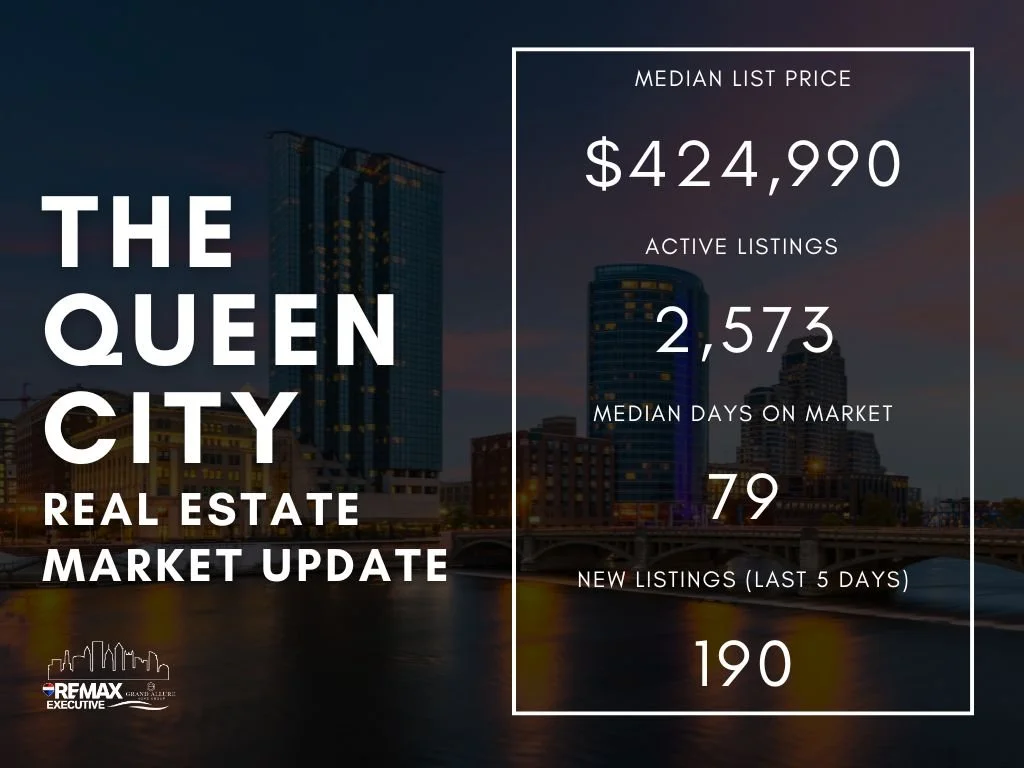
Charlotte Local Market Update as of January 12, 2026 (Source: ListReports)
Charlotte Market Insight (As Seen in Realtor.com)
Charlotte’s market is getting national attention. In Realtor.com’s article, “Top 5 Metros Where Homes Are Piling Up on the Market,” Brooke Sines of Grand Allure Home Group was quoted, with our website included as a local resource.
For relocating buyers, this highlights why local guidance matters. National trends set the stage, but neighborhood-level insight determines how those trends affect your move.
City-Specific Considerations
Mild winters and year-round mobility
Utility costs average ~$109/month
Internet & Voice: AT&T, Spectrum, Vonage
Request the full Charlotte relocation guide for a complete overview of neighborhoods, timelines, and planning considerations.